Explore hidden crypto community
External resource highlighted for Gambling Paradise readers.
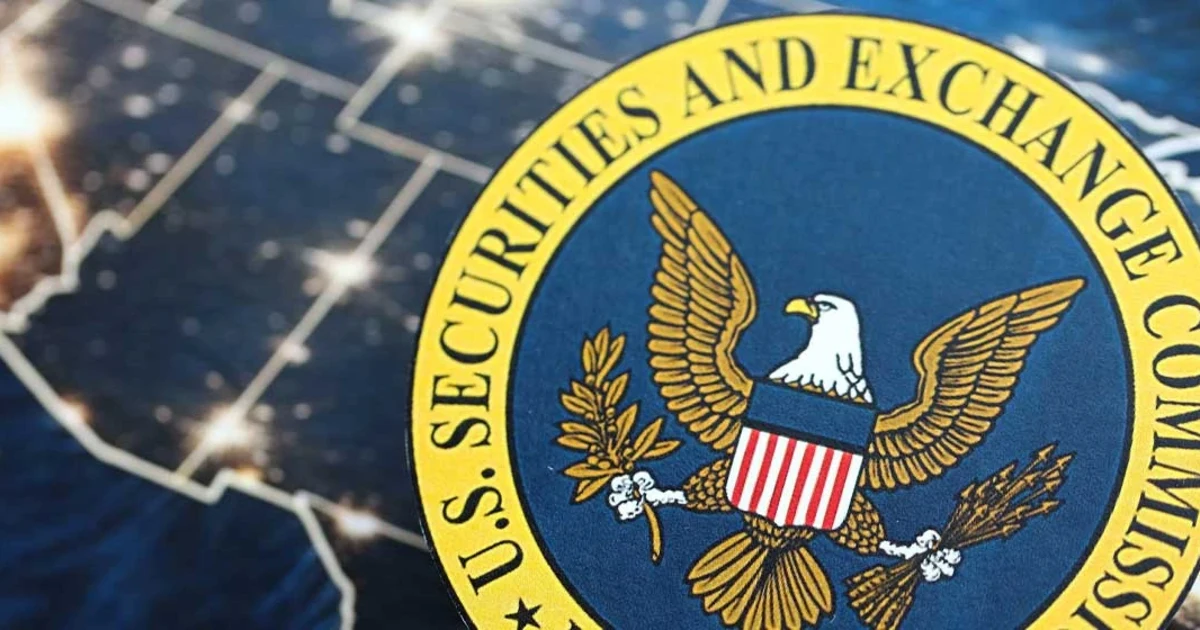
SEC issues five-year innovation exemption for tokenized equities
On September 18, 2026 the U.S. Securities and Exchange Commission released a detailed exemption that authorises digital-asset platforms to list and trade tokenized versions of publicly traded stocks on a continuous basis. The move follows the Senate’s 49-50 defeat of the CLARITY Act and signals the regulator’s willingness to fill the legislative void with agency-level action. The exemption is labeled “temporary, conditional exemptive relief” and will lapse five years after issuance unless renewed.
Context: CLARITY’s collapse and regulator pivot
The CLARITY Act, championed by Senate Democrats to impose ethics constraints on crypto-related political activity, fell short after Sen. Thom Tillis switched his vote, delivering a 49-50 loss. While seven Democratic senators issued a joint statement pledging continued effort to pass the bill, the legislative calendar offers little hope of revival this Congress. In the vacuum, SEC Chair Paul Atkins and CFTC Commissioner Michael Selig have each signaled a willingness to act under existing statutory authority. Atkins tweeted that the agency would “act decisively within the SEC’s statutory authority to deliver certainty for American investors,” while Selig called the CLARITY failure “unfortunate” but promised to help the administration craft a “future-proof crypto regulatory market structure.”
Mechanics of the exemption
The SEC’s order creates a new class of Tokenized Securities Venues (TSVs) that are exempt from the “exchange” definition in the Securities Exchange Act of 1934. TSVs may operate permissioned automated market makers (AMMs) and liquidity pools that trade tokenized National Market System (NMS) stocks. However, the exemption is not a free-pass. Before a TSV can list a tokenized share that is issued by a third party – i.e., not the original issuer – the venue must provide the issuer with written notice and an opportunity to object. The tokenized instrument must also confer the same rights and privileges as the underlying NMS share, effectively banning synthetic replicas that merely track price without delivering shareholder entitlements.
Immediate market impact
The announcement sent a brief rally through crypto equity-related stocks. Shares of Galaxy Digital and other crypto-focused public companies recovered modestly after a two-day dip, while Bitcoin’s price held near $81,000, as reflected in the latest bitcoin market data (Sponsored). The broader crypto market has been stabilising after a volatile week that saw the Federal Reserve raise rates by a quarter-point despite President Trump’s lobbying for cuts. The SEC’s move appears to have removed a key source of regulatory uncertainty, allowing platforms to re-activate tokenized equity products that were previously on hold.
Implications for iGaming operators
Gambling Paradise and similar iGaming firms have long experimented with crypto-based betting markets that mirror traditional financial instruments. The exemption opens a direct pipeline for operators to offer wagers on tokenized stocks, effectively turning equity price movements into betting odds. This creates new revenue streams but also introduces compliance risk: operators must verify that each TSV they partner with has complied with the notice-and-objection requirement, and they must ensure that token holders retain voting, dividend, and corporate action rights. Failure to do so could expose operators to securities fraud allegations under the Exchange Act.
Risk assessment for bettors and platforms
From a bettor’s perspective, tokenized equities now carry the same legal protections as their traditional counterparts, provided the TSV adheres to the exemption’s conditions. However, the temporary nature of the relief means that platforms must monitor the SEC’s public comment process, which could tighten requirements before the five-year window expires. Additionally, the exemption does not extend to synthetic products that merely track stock prices; any platform offering such derivatives would remain subject to existing securities regulations and could face enforcement action.
Operational considerations for venues
TSVs will need to implement robust issuer-notification workflows, likely integrating with corporate secretarial systems to track objections. They must also redesign AMM algorithms to enforce shareholder rights, such as dividend distribution and proxy voting, on a token-by-token basis. This adds technical overhead and may reduce the speed advantage that pure crypto AMMs enjoy. Moreover, the SEC’s request for public comment suggests that the agency may later impose reporting or capital-adequacy standards, further raising operational costs.
What to watch next
- SEC public comment period – The agency has opened a comment window on possible modifications to the exemption. Industry groups may push for longer notice periods or expanded synthetic allowances.
- CFTC coordination – While the SEC governs securities, the CFTC retains authority over derivatives. Any platform that offers leveraged tokenized equity products could fall under dual oversight.
- Legislative resurgence – Although CLARITY stalled, a future Congress could revive crypto-focused legislation, potentially superseding the exemption.
- Issuer response – Large public companies may object to third-party tokenization, forcing TSVs to renegotiate or abandon certain listings.
Strategic outlook for gambling operators
Operators that can quickly integrate compliant TSVs stand to capture a niche betting market that blends traditional equity speculation with the 24/7 liquidity of crypto. However, they must allocate resources to legal compliance, AML/KYC upgrades, and real-time rights enforcement. The upside is a differentiated product suite that can attract high-net-worth bettors seeking exposure to equity price swings without the friction of traditional brokerage accounts. The downside is heightened regulatory scrutiny and the risk that the exemption could be narrowed or revoked before the five-year term ends.
Conclusion
The SEC’s innovation exemption marks a decisive regulatory pivot in the wake of CLARITY’s defeat, granting crypto platforms a limited but actionable pathway to trade tokenized stocks. For iGaming firms, the development unlocks a new class of betting assets while imposing a fresh layer of securities compliance. Stakeholders should monitor the SEC’s comment period, CFTC coordination, and any legislative attempts to reshape the landscape before the exemption expires. The market will reward operators that can balance speed, compliance, and user protection in this emerging tokenized equity arena.
Related coverage
- ECB DeFi rates: Policy Links, Digital Euro Pilot, and Cyber Risk Outlook
- ComeOn Leadership Team Expansion
- GamesBeat launches 26-person advisory board to steer event pipeline