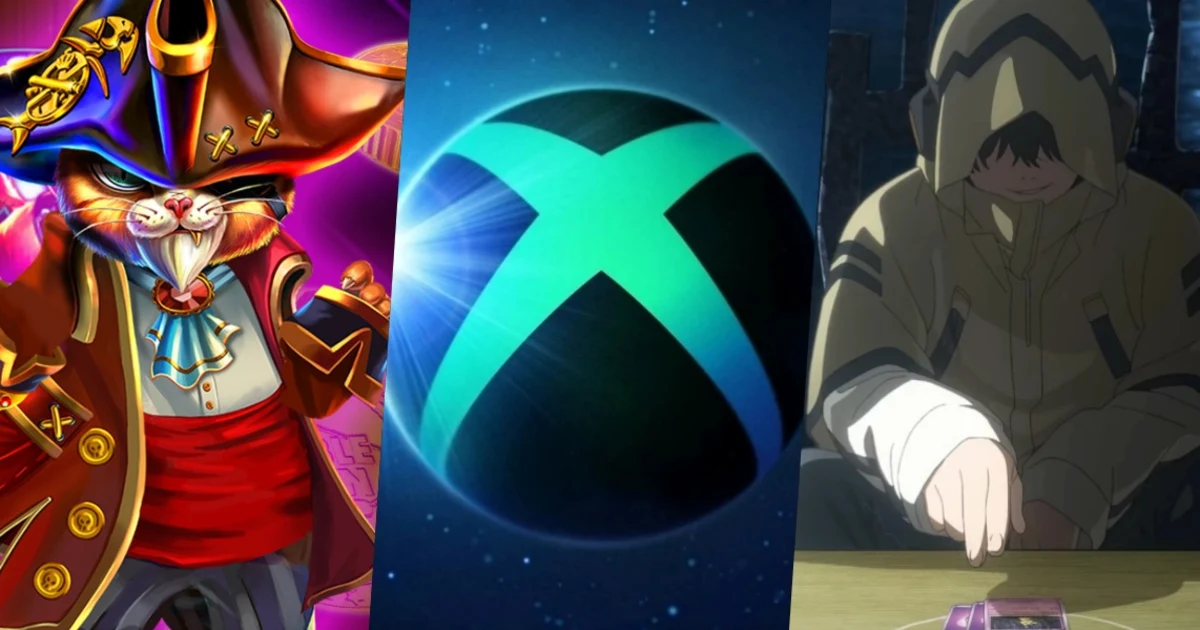
Xbox Game Pass cloud limits expose a cracked cloud model
Xbox announced a tiered limit on cloud streaming: 15 hours for Game Pass Ultimate, 10 for Premium and five for Essential users, with the option to purchase extra time. The move, reported by Pocketgamer, is framed as a cost-control measure. For readers who want the full back-story, see our earlier analysis of Xbox limits.
The statement that “the cost of providing cloud gaming grows as more people use it and play for longer” is technically true, but the real pressure comes from Microsoft’s own data-center spend and the need to keep margins on a service that still attracts a modest 4% of Game Pass subscribers. For gamblers who rely on low-latency streams for live betting or crypto-backed esports wagers, the cap translates into a direct revenue squeeze – fewer hours means fewer betting windows. Industry data from Statista shows cloud-gaming revenue growth slowing as providers hit infrastructure limits.
Market ripple effects
Cloud gaming has long been pitched as a hedge against rising console prices. If the biggest console holder now admits the model is financially untenable, venture capital will likely shy away from new cloud-first startups. Existing operators may double-down on hybrid models, keeping a thin client on-premise while off-loading only peak demand. That shift could open arbitrage opportunities for crypto-based swap desks that offer instant conversion of in-game tokens to fiat. A niche where a low-fee swap desk can profit from increased conversion volume.
Regulatory angle
The cap also gives regulators a concrete data point: cloud services are not a free-for-all bandwidth commodity. If streaming limits become the norm, consumer-protection bodies may demand transparency on how limits are calculated and whether they discriminate against high-spending bettors. In jurisdictions where gambling is tied to real-time odds, any artificial throttling could be deemed a market-distortion.
DoubleDown’s AI gamble raises D2C costs
Faith Price of DoubleDown Interactive disclosed that AI-driven analytics and content generation are eating into profit margins. The company’s push to modernise ageing apps with AI comes at a time when user acquisition costs are already high. As the report notes, the “real cost of AI” is forcing DoubleDown to extract more from its direct-to-consumer (D2C) audience.
For crypto-savvy gamblers, this spells tighter micro-transaction walls and more aggressive upsells. Expect new token-gated features that require players to stake crypto to unlock AI-enhanced gameplay. The move mirrors trends in DeFi where liquidity providers are forced to pay higher fees as protocol overhead climbs. Operators that can bundle AI perks with staking incentives may capture a premium segment, but they also raise the bar for compliance – AML checks will need to cover AI-generated content purchases.
Operational consequences
Developers will need to re-budget for AI licences, GPU rentals, and data-labeling pipelines. That expense will likely be passed to users via higher in-app prices or reduced free-play windows. The net effect is a contraction of the “freemium funnel” that many gambling apps rely on to seed crypto wallets. Smaller studios may abandon AI altogether, preserving a niche of low-cost, high-risk games that attract risk-seeking bettors.
Pokémon’s Wild Card movie fuels TCG betting surge
The upcoming Pokémon: Wild Card film, set for a 2027 release, pivots around a protagonist who is an aspiring Trading Card Game (TCG) player, with Mimikyu taking a central role. The teaser emphasizes physical cards, but the timing aligns with the explosive growth of the mobile TCG Pocket, which is projected to hit $1.8 billion in lifetime spend.
Betting operators have already begun offering odds on card-pull outcomes, rarity drops, and tournament results. A new movie that glorifies the card-pull experience will likely amplify that market, driving more traffic to crypto-based betting platforms that allow instant wagering on card-opening events. The synergy between a blockbuster IP and a high-spend mobile game creates a feedback loop: more viewers → more card purchases → more betting volume.
Second-order risks
Increased betting on TCG pulls could attract under-age participants, prompting stricter age-verification mandates. Moreover, the blending of entertainment and gambling blurs regulatory lines; jurisdictions that treat card-pulls as loot-box equivalents may extend gambling licences to movie-related betting products. Crypto operators must therefore audit their KYC pipelines to ensure compliance with emerging “virtual item gambling” rules.
What to watch next
-
Xbox’s pricing response – If the hour caps prove unpopular, Microsoft may introduce a premium “unlimited cloud” tier at a steep price, creating a new high-margin segment for crypto-friendly payment processors.
-
DoubleDown’s AI rollout – Monitor whether the studio launches token-gated AI features; early adopters could become a bellwether for crypto-gaming convergence.
-
Pokémon betting markets – Track betting volume on TCG-related events after the film’s trailer drops. A spike will signal where crypto-betting operators should allocate liquidity.
Internal resources
For deeper analysis of crypto swap economics, see our Cloud gaming hub.
FAQ snippets
What are the exact hour limits for Xbox Game Pass cloud streaming?
Xbox caps cloud sessions at 15 hours for Ultimate, 10 for Premium and five for Essential subscribers, with the option to buy extra time.
How might DoubleDown’s AI costs affect crypto-based betting?
Higher AI spend forces DoubleDown to monetize more aggressively, likely leading to token-gated features and higher micro-transaction fees that crypto bettors will have to pay.
Will Pokémon’s new movie create new betting opportunities?
The film’s focus on TCG play is expected to boost betting on card pulls and tournament outcomes, a niche that crypto platforms are already exploiting.