Introduction to Thailand’s QR Payment Expansion
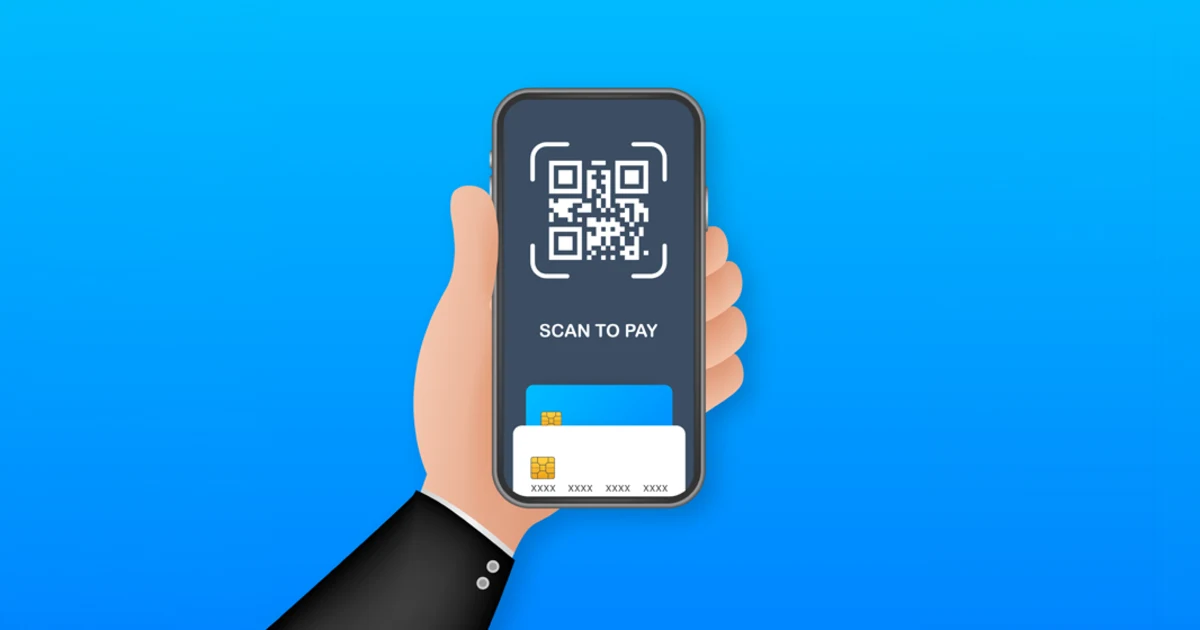
Thailand has recently expanded its QR payment system for international travelers, enabling them to make seamless payments at local stores using QR codes linked to their home-country banks and digital wallets. This initiative is part of the country’s broader push toward a more cashless and digitally integrated tourism economy. The use of QR payments is expected to enhance convenience for millions of international visitors in Thailand and modernize its tourism economy. QR payments will simplify financial transactions and reduce dependence on cash and currency exchange for tourists.
QR Payments and Cashless Tourism
The expansion of QR payments in Thailand is a significant development in the country’s push towards cashless tourism. The QR payment system is led by the Bank of Thailand and supported by eight major financial institutions and international payment networks, including Alipay for Chinese and global users; WeChat Pay for mobile wallet payments; and UnionPay for international card-linked QR transactions. The system allows tourists to scan Thai QR codes at any participating merchant using their banking or digital wallet apps and complete their payments in real time via linked networks. This development is a significant step towards a more cashless and digitally integrated economy in Thailand, with QR payments playing a crucial role.
Benefits of QR Payments for Tourists and Local Businesses
The QR payment system is expected to have numerous benefits for tourists and local businesses. It will increase the efficiency and convenience of financial transactions, reducing the need for cash and currency exchange. Additionally, it will provide a secure and reliable payment method, reducing the risk of fraud and cyber attacks. The use of QR payments will also increase the transparency of financial transactions, making it easier for businesses and individuals to track their payments and manage their finances. According to a report by the Bank of Thailand, the adoption of QR payments is expected to increase by 20% in the next year, with the majority of tourists using QR codes for payments.
Explore hidden crypto community
External resource highlighted for Gambling Paradise readers.
The Bank of Thailand’s Plan for Stablecoins
In related news, the Bank of Thailand is progressing with plans to introduce a baht-pegged stablecoin, an initiative aimed at supporting digital finance. The central bank’s Governor Vitai Ratanakorn shared this intention during the “Capital with Purpose” conference organized by efinanceThai. The governor said that the BoT plans to hold a public hearing on the stablecoin proposal by the end of 2026. The introduction of a baht-pegged stablecoin is expected to have significant implications for Thailand’s financial sector, with potential benefits including increased stability and security of the financial system. For more information on the latest developments in the crypto and finance world, visit the source URL: https://coingeek.com/thailand-expands-qr-payments-for-tourists-eyes-baht-stablecoin/
Regulatory Requirements for Stablecoins
The Bank of Thailand has emphasized that strict requirements will be enforced for any stablecoins introduced in Thailand, and one of the primary conditions is that the asset must be fully backed 1:1 by Thai baht reserves. During the first phase, the BoT will allow financial institutions to use stablecoins for settlement purposes only; additional use cases will be assessed in the succeeding phases. The regulatory requirements for stablecoins are designed to ensure the stability and security of the financial system, and to prevent potential risks associated with the use of digital financial instruments. The use of QR payments and stablecoins is expected to continue to grow in the coming years, with potential benefits including increased convenience, security, and transparency of financial transactions. The App ranking board provides insights into the performance of various digital payment apps.
Implications of the QR Payment Expansion and Stablecoin Plan
The expansion of the QR payment system and the introduction of a baht-pegged stablecoin could have significant implications for Thailand’s tourism economy and financial sector. The use of QR payments and stablecoins could increase the efficiency and convenience of financial transactions, reducing the need for cash and currency exchange. However, it also raises concerns about the potential risks and challenges associated with the adoption of new technologies and financial instruments, including the potential for increased dependence on digital systems and the risk of cyber attacks. Businesses and individuals must be aware of these potential risks and take steps to mitigate them, such as implementing robust security measures and monitoring their financial transactions closely.
Conclusion
Thailand’s QR payment expansion and plan for a baht-pegged stablecoin are significant developments in the country’s push towards a more cashless and digitally integrated economy. As the country continues to develop its digital payments infrastructure, it is essential to consider the potential implications and challenges associated with these developments. The Bank of Thailand’s plan for a baht-pegged stablecoin is a significant step towards a more digitally integrated economy, and it will be important to monitor the progress of this initiative and its potential implications for the financial sector. Additionally, the use of QR payments is expected to continue to grow, with potential benefits including increased convenience and security of financial transactions. To stay up-to-date with the latest developments in the crypto and finance world, it is essential to follow trusted sources and stay informed about the latest trends and innovations.
Future Developments
As Thailand continues to develop its digital payments infrastructure, it is likely that we will see further innovations and developments in the use of QR payments and stablecoins. The Bank of Thailand’s plan for a baht-pegged stablecoin is a significant step towards a more digitally integrated economy, and it will be important to monitor the progress of this initiative and its potential implications for the financial sector. The World Bank has also emphasized the importance of digital payments in promoting financial inclusion and reducing poverty. According to a report by the World Bank, the use of digital payments can increase access to financial services for millions of people in developing countries.
Related Coverage
For more information on the latest developments in the crypto and finance world, visit the following links:
- Cathie Wood’s Ark Invest Sells Off Major Tech Stocks and Bitcoin ETF
- Trump Administration’s Crypto Policy Leaves Developers in Limbo
- Crypto Market Trends: Institutional Adoption and Regulatory Momentum
Explore More on This Topic
For more information on Thailand’s QR payment expansion and plan for a baht-pegged stablecoin, visit the following link: