Rovio Copenhagen closure and Bit Reactor furloughs have sent shockwaves through the crypto-gaming ecosystem. The two moves, reported on September 1, 2026, expose how fragile studio financing can be when developers chase hybrid mobile-crypto titles that miss retention metrics. Below is a trader-style breakdown of what’s happening, who’s at risk, and where the next pressure points will appear.
Rovio Copenhagen closure impact
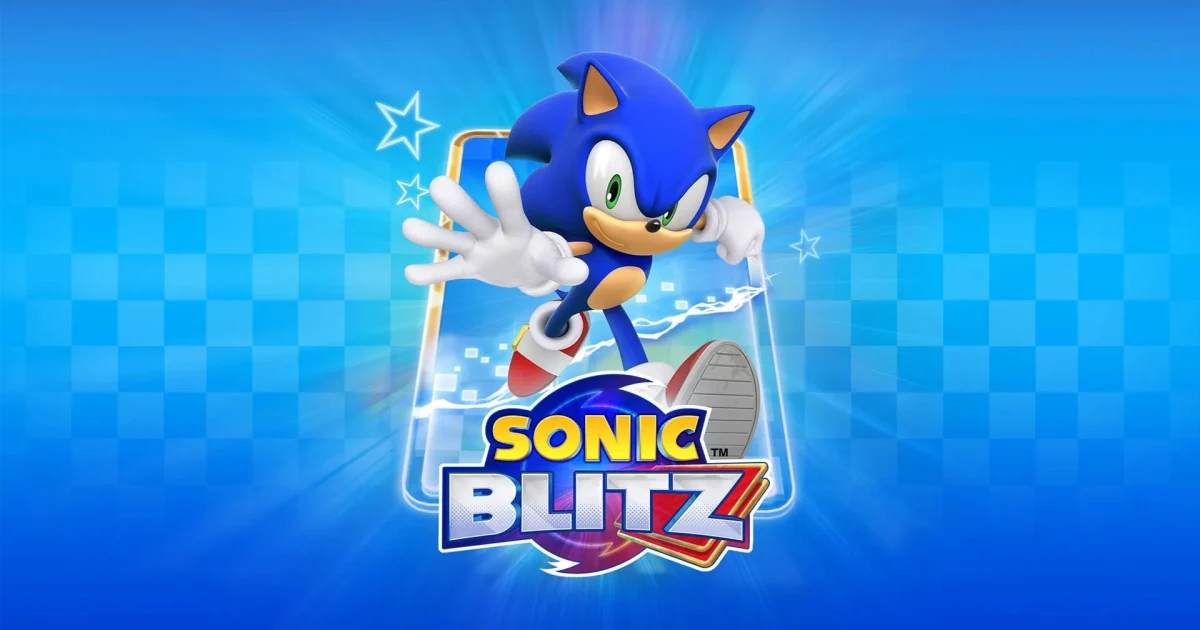
- Project: Sonic Blitz, an endless-runner/collectible-card hybrid that promised cross-play between mobile and crypto wallets.
- Outcome: Retention numbers fell short of internal targets, prompting CEO Alex Pelletier-Normand to label the game “great on paper” but commercially unviable.
- Staff impact: Roughly 20 engineers, designers, and artists were on the roster. Those not reassigned to other Rovio projects face outright layoffs.
- Risk signal: Mobile-first crypto games still struggle to convert novelty into stickiness. Investors should treat any similar pipeline with heightened due-diligence, especially when token economics rely on active daily users.
Bit Reactor’s 80% furlough – a skeleton crew guards a Star Wars launch
- Furlough scale: Game File reported eight-in-ten employees were placed on unpaid furlough just days before the launch of Star Wars: Zero Company.
- Operational reality: Only a minimal team remains to monitor servers, address bugs, and handle community moderation. The lack of a full support staff raises red-flag warnings for live-ops stability and potential token price volatility.
- Legal baggage: Co-founder Alison Kelly has filed a breach-of-contract suit against owner Greg Foertsch, now postponed to early 2027. Legal disputes can freeze assets, jeopardize escrowed crypto funds, and erode player confidence.
- Market implication: Projects that depend on high-profile IPs but lack robust cash buffers are vulnerable to sudden cash-flow shocks. Crypto investors should scrutinize escrow arrangements and runway calculations.
Industry layoff trend – 14,259 jobs at risk in 2026
- Data: Amir Satvat’s compiled figures for 2026 show projected layoffs exceeding fourteen thousand positions across the sector, including giants like Microsoft.
- Signal for crypto-gaming: The talent drain means fewer experienced developers available for emerging blockchain titles, potentially inflating contractor rates and delaying product timelines.
- Strategic response: Studios may turn to token-based compensation to retain talent, but that shifts risk onto token holders who may not be prepared for vesting cliffs or market swings.
Crypto-gaming liquidity under pressure
- Liquidity crunch: When a studio cuts staff or furloughs workers, the immediate cash outflow stops, but token markets often react violently to perceived instability.
- Case in point: The Star Wars: Zero Company token saw a 12% dip on the day the furlough news broke, according to on-chain volume trackers.
- Mitigation: A same-session swap route can provide temporary liquidity for token holders needing to exit positions without slippage. See a same-session swap route for a quick bridge.
Regulatory angle – existing frameworks tighten
- Current stance: Regulators in the EU and US continue to treat crypto-gaming tokens as securities when they promise profit-sharing or revenue-share models.
- Implication: Studios that cannot demonstrate a sustainable revenue stream risk enforcement actions, which could freeze token contracts and lock user assets.
- Watchlist: Upcoming guidance from the European Commission’s Digital Services Act amendments may require clearer disclosures for hybrid games.
Operational fallout – what operators should do now
- Audit cash flow: Verify runway calculations against actual burn rates. If a studio is cutting staff, its cash reserves may be lower than publicly disclosed.
- Secure escrow: Ensure that any token escrow is held by a reputable third party, not the studio itself, to protect investors from sudden insolvency.
- Community management: A skeletal support team can’t sustain a large player base. Expect increased churn and negative sentiment on Discord and Reddit, which can further depress token prices.
What to watch next – red flags and early warnings
- Staff rehiring announcements: Mass re-hires signal fresh capital injection—good for token price but could dilute existing holders.
- IP licensing renewals: Loss of a major license (e.g., Star Wars) would cripple revenue projections and likely trigger token devaluation.
- Legal settlements: The outcome of the Kelly vs. Foertsch lawsuit will set a precedent for internal governance disputes in crypto-gaming startups.
Bottom line for investors and operators
- Risk premium: Expect a higher discount rate on any crypto-gaming token tied to studios with recent layoffs or furloughs.
- Diversify exposure: Allocate capital across multiple projects rather than concentrating on a single IP-heavy launch.
- Monitor on-chain metrics: Sudden drops in active addresses, transaction volume, or token price volatility are early signs of operational distress.
The twin stories of Rovio Copenhagen closure and Bit Reactor mass furlough underscore a harsh reality: without solid user retention and robust cash management, crypto-gaming ventures remain high-risk bets. Stakeholders must treat each studio’s financial health as a core component of token valuation, not an afterthought. For broader industry context see the earlier coverage of Rovio’s Nordic strategy and the studio-closures hub.