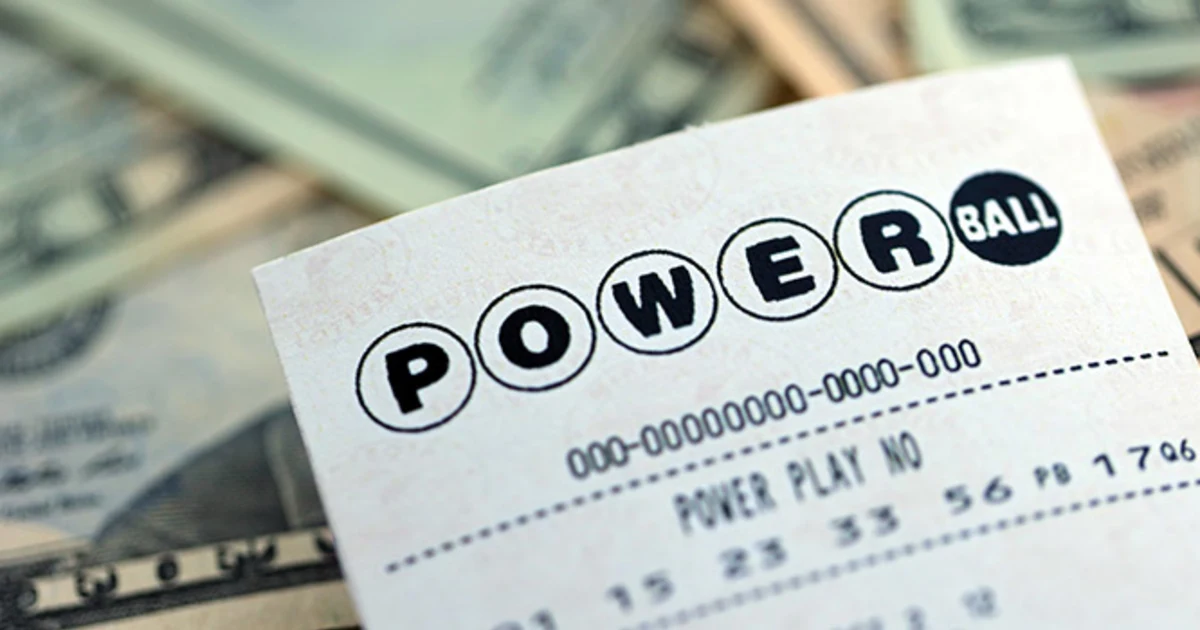
Powerball Match 5 California payout shatters the $1 million myth
The September 2 Powerball draw handed a California ticket-holder $185,595 after matching the five white balls but missing the red Powerball. California’s prize-pool model allocates winnings based on ticket sales rather than a fixed $1 million, turning the nominal prize into a sub-$200K cashout. The California Lottery confirmed 45,907 Powerball tickets hit the board that night, underscoring massive state participation.
Tier-3 winners and the Power Play multiplier
Eight players across the U.S. matched four white balls plus the Powerball, qualifying for the tier-3 prize. Five will collect $50,000 each; the remaining three, who activated the 2× Power Play, will receive $100,000. This split illustrates how the optional Power Play can double mid-tier payouts, a lever that operators promote heavily during high-jackpot cycles.
Jackpot trajectory: Powerball vs. Mega Millions
Powerball’s jackpot stalled at $173 million after another roll-over, while Mega Millions sits at $177 million for its upcoming draw. With a single weekly draw left before the two jackpots could intersect, the odds of Powerball overtaking Mega Millions hinge on a clean sweep—no winner in either game. If the Powerball jackpot is claimed, the annuity would be $173 million versus a lump-sum of roughly $75 million, a spread that fuels speculative betting on “jackpot-chasing” tickets.
Market impact and operator incentives
Lottery operators thrive on roll-overs; each additional week inflates ticket sales, especially for high-value draws. The Power Play multiplier, now set at 2× for this draw, is a revenue-boosting tool that nudges players to spend extra per ticket. State-run lotteries like California’s must balance prize-pool sustainability with the public’s appetite for life-changing wins. The sub-$200K Match-5 payout will likely temper local hype but won’t dent overall ticket volume.
Regulatory backdrop and risk considerations
The American Gaming Association notes that state lotteries are under increasing scrutiny for responsible-gaming practices. While the jackpot surge drives sales, it also amplifies problem-gambling risk, prompting regulators to tighten advertising limits and enforce clearer odds disclosures. Operators must therefore integrate robust player-protection measures, especially when promoting high-jackpot draws that can lure vulnerable bettors.
Crypto crossover: liquidity for rapid ticket purchases
Some players are now using crypto wallets to fund lottery ticket purchases on platforms that accept digital assets. An instant token swap enables near-instant conversion of crypto to fiat, reducing friction for high-stakes bettors. This capability streamlines the funding pipeline for those chasing the $173 million prize while adding a layer of anonymity that regulators monitor closely.
Trusted external insight
Lottery USA provides a comprehensive breakdown of state prize-pool mechanics and recent jackpot trends, offering data that corroborates the California payout figures.
What to watch next
- Mega Millions draw: If Mega Millions hands out its $177 million jackpot, Powerball’s growth narrative stalls.
- Powerball roll-over: A third consecutive roll-over would push the jackpot past $200 million, likely spiking ticket sales and Power Play uptake.
- Regulatory response: Expect state lottery commissions to issue updated responsible-gaming advisories as jackpots climb.
- Crypto adoption: Monitor how increasing crypto-to-fiat swap services affect ticket-purchase velocity and demographic composition.
Deeper analysis of California’s prize-pool model
How does California calculate its Match-5 prize?
California pools all ticket sales for a draw and distributes a fixed percentage to each prize tier. The $1 million benchmark is prorated against the total pool, resulting in the $185,595 payout for the September 2 Match-5 winner.
Power Play multiplier significance
Why does the Power Play multiplier matter?
Power Play multiplies non-jackpot prizes by 2×, 3×, 4×, or 5× depending on the draw’s settings. In this case a 2× multiplier doubled three tier-3 winners’ payouts to $100,000, directly increasing operator revenue per ticket.
Odds and player behavior
What are the odds of a Powerball jackpot win?
The odds remain 1 in 292.2 million for the six-number match. The low probability sustains the jackpot’s growth model, but also fuels speculative betting and high-risk behavior.
Crypto integration outlook
How might crypto integration affect lottery participation?
Crypto wallets lower entry barriers for tech-savvy bettors, offering faster fund transfers and anonymity. As more platforms accept digital assets, we may see a modest uptick in ticket volume from crypto-heavy demographics.
Related coverage
- Powerball historical trends
- Lottery industry hub