Introduction to the Philippines’ Payment Conundrum
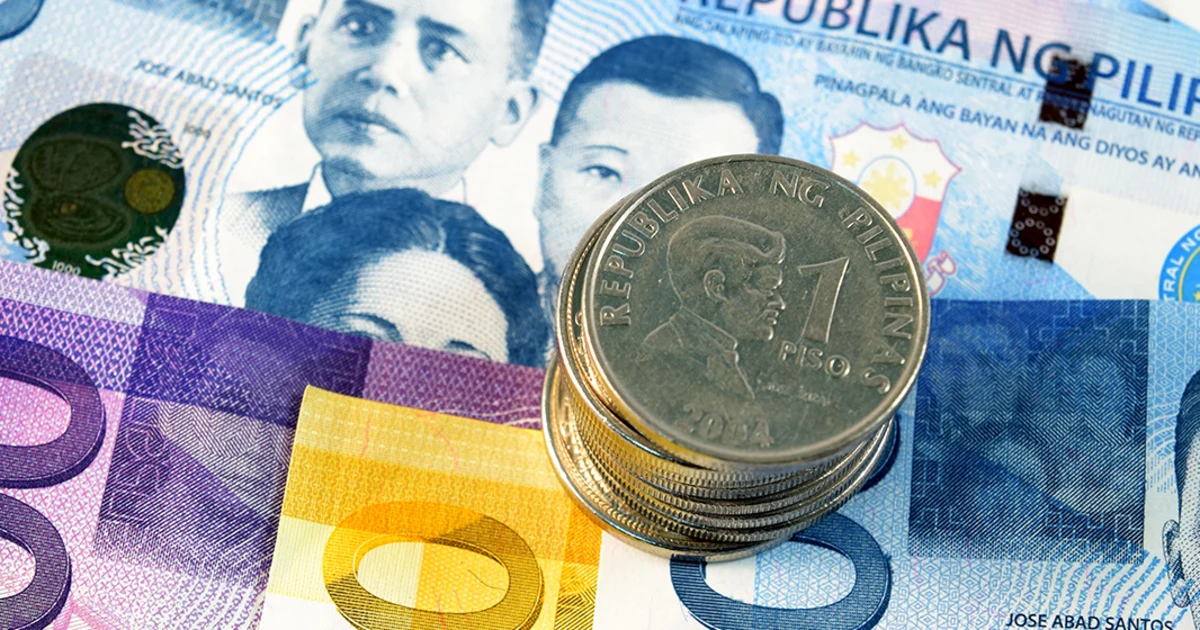
The Philippines, a country with a growing economy, still clings to cash as its primary means of transaction. According to Worldpay’s Global Payments Report 2026, cash accounts for 42% of POS transaction value. However, digital wallets and account-to-account (A2A) payments are slowly gaining traction.
Digital Wallets and A2A Payments on the Rise
Digital wallets, primarily the Philippine mobile payments platform GCash, represented 41% of e-commerce transaction value and 29% of point-of-sale (POS) payments in 2025. A2A payments, facilitated by systems like InstaPay and QR PH, made up 13% of e-commerce value and 7% of POS payments. Read Next: McLaren Racing Accelerates into Web3 with Hedera Council Membership
The Cash Conundrum
Despite the growth of digital payments, cash remains the primary means of transaction in the Philippines. Cash on delivery accounted for 23% of e-commerce value, particularly among unbanked consumers. According to the World Bank, half of the Filipino population was unbanked in 2024. This raises questions about the country’s financial inclusion efforts.
Explore hidden crypto community
External resource highlighted for Gambling Paradise readers.
Regulatory Efforts
The Bangko Sentral ng Pilipinas (BSP) is driving the adoption of digital payments through digital wallets and QR codes. In July 2025, the central bank reported that digital payments made up 57.4% of retail transaction volume, surpassing its 50% target. The BSP aims to strengthen interoperability with Southeast Asia’s payment networks.
The Future of Digital Payments in the Philippines
The Philippines is nearing the passage of its eBayad Act, a bill that aims to make public digital transactions faster, more transparent, and efficient. President Ferdinand ‘Bongbong’ Marcos Jr. has called for simplifying the distribution of fuel subsidies and considering digital payments amid the ongoing global oil crisis. For more information on the Philippines’ digital payments landscape, visit bloomberg.com/news/articles/philippines-digital-payments-growth.
Technical Implications
The growth of digital payments in the Philippines has significant technical implications. The increased use of digital wallets and A2A payments requires robust and secure infrastructure. The BSP’s efforts to strengthen interoperability with Southeast Asia’s payment networks will be crucial in facilitating cross-border transactions.
Historical Context
The Philippines’ slow transition to digital payments is not unique. Many countries have struggled to adopt digital payments due to outdated financial infrastructure and lack of financial inclusion. However, the Philippines’ growing economy and increasing internet penetration provide a unique opportunity for the country to leapfrog traditional payment methods and adopt digital payments.
Market Mechanics
The growth of digital payments in the Philippines is driven by the increasing demand for convenience and security. Digital wallets and A2A payments offer a faster and more secure alternative to traditional payment methods. The BSP’s regulatory efforts and the private sector’s investment in digital payments infrastructure will be crucial in driving the adoption of digital payments.