Introduction to Chaos
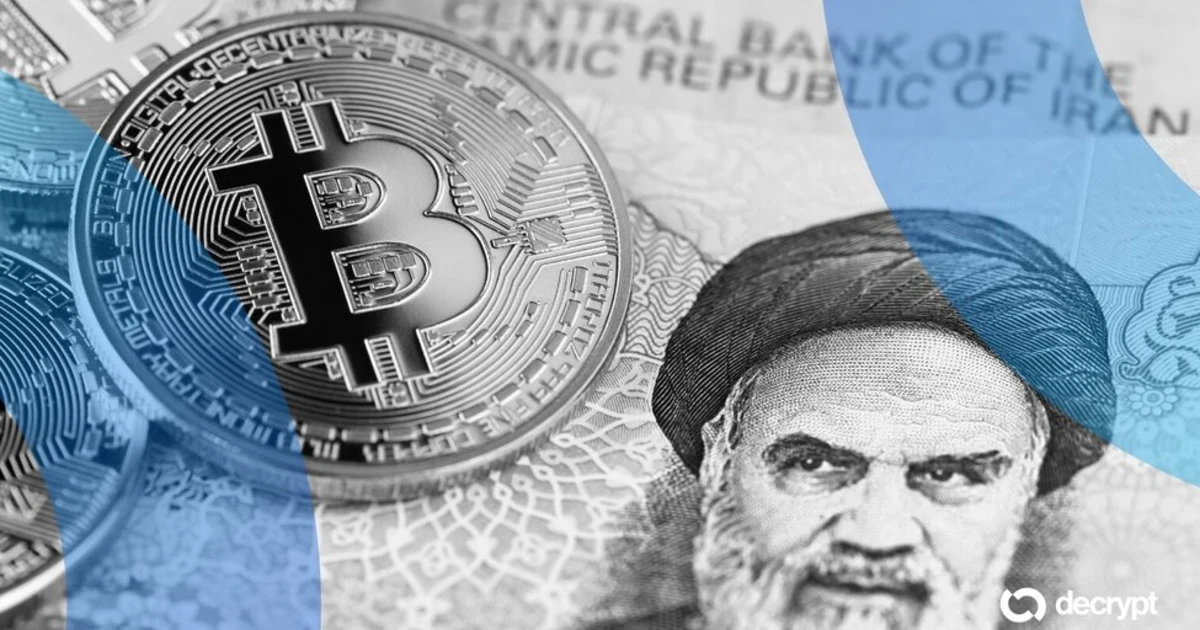
Iran’s latest move to require oil tankers passing through the Strait of Hormuz to pay transit fees in Bitcoin is a clear attempt to skirt sanctions. But will it work? The Iranian government plans to levy a fee of $1 per every barrel of oil that passes through the strait, and the fee will have to be paid in Bitcoin. This system, as reported by the Financial Times, is intended to ensure that the fees ‘can’t be traced or confiscated due to sanctions.‘
The Strait of Hormuz: A Critical Waterway
The Strait of Hormuz is a critical waterway, with roughly a third of the world’s crude oil supply passing through it every year. Iran’s control of the strait has been a point of contention, especially with other oil exporters in the region, including Saudi Arabia, the UAE, and Qatar. The ongoing war has sent oil prices skyrocketing, and Iran’s move to use Bitcoin for payments is an attempt to maintain control while avoiding sanctions.
Bitcoin: The Sanction-Proof Currency?
Iranian officials believe that using Bitcoin will help avoid sanctions by making payments harder to trace or seize. But is Bitcoin really the sanction-proof currency they think it is? According to a report by Bloomberg, Bitcoin’s anonymity is not as absolute as many think. With the right tools and expertise, it’s possible to track Bitcoin transactions and identify the parties involved.
Explore hidden crypto community
External resource highlighted for Gambling Paradise readers.
The Technical Implications
From a technical standpoint, Iran’s plan to use Bitcoin for oil payments raises several questions. How will the Iranian government ensure that the Bitcoin payments are made correctly and securely? What measures will be taken to prevent fraud or theft? And what about the volatility of Bitcoin’s price? These are just a few of the technical implications that need to be considered.
Market Mechanics
The market implications of Iran’s move to use Bitcoin for oil payments are significant. If successful, it could set a precedent for other countries to use Bitcoin or other cryptocurrencies for international transactions. This could lead to increased adoption and mainstream recognition of Bitcoin as a viable payment method. However, it also raises concerns about the potential for Bitcoin to be used for illicit activities, such as money laundering or terrorist financing.
Historical Context
Iran’s use of Bitcoin for oil payments is not the first time a country has turned to cryptocurrencies to skirt sanctions. In the past, countries like Venezuela and North Korea have also explored the use of cryptocurrencies for international transactions. However, these attempts have been met with limited success, and it remains to be seen whether Iran’s plan will fare any better.
The Role of Other Oil Exporters
Other oil exporters in the region, including Saudi Arabia, the UAE, and Qatar, are likely to balk at the notion of Iran controlling the shared Strait for an extended period. This could lead to increased tensions and conflict in the region, which could have significant implications for global oil prices and the overall economy.
Read Next: Bitcoin Options Expiry Looms Large Amid Geopolitical Tensions
Conclusion is Not Allowed
The situation is complex, and the outcome is far from certain. One thing is clear: Iran’s move to use Bitcoin for oil payments is a desperate attempt to skirt sanctions, and it will be interesting to see how it plays out. As the situation continues to unfold, one thing is certain - the use of Bitcoin for international transactions will be under close scrutiny, and its implications will be felt for a long time to come.