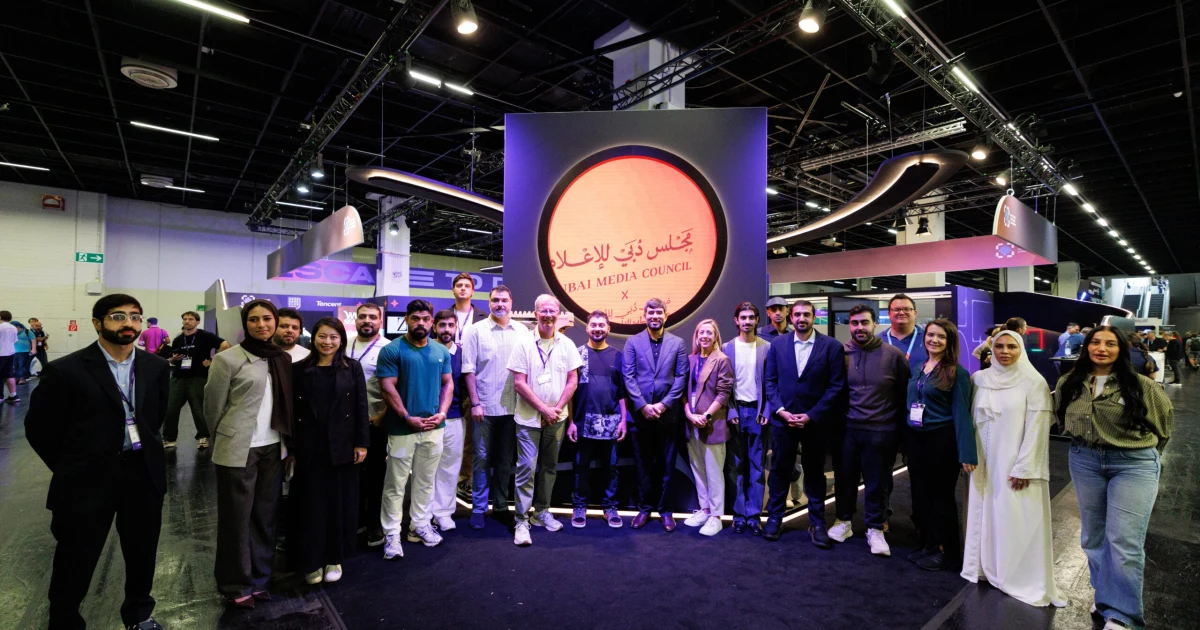
Dubai’s latest move to cement its status as a MENA gaming hub comes with a headline-grabbing partnership: the Dubai Xsolla accelerator slated for October 2026. The announcement, made at Dubai’s Gamescom pavilion, promises a permanent Xsolla Club— the second of its kind worldwide— granting local developers a direct line to the Russian-born payment and publishing platform’s global network. While the press release paints a picture of unstoppable growth, a closer look reveals that the assumption “accelerators guarantee success” is dangerously simplistic, especially when crypto-linked gambling mechanics are in the mix.
Structural Risks of the Dubai Xsolla accelerator
Dubai’s Films and Games Commission (DGFC) reports 495 gaming companies operating in the emirate, a 34.5% rise over the past two years. The government aims to create 30,000 jobs and add roughly $1 billion to GDP by 2033. The accelerator will be run with Dubai SME and the Dubai Culture and Arts Authority, leveraging the existing GameForward program that produced studios such as Old Chair Games. For broader context on the regional market see the internal hub /tags/gaming/.
Why the accelerator model is over-rated
Industry lore treats accelerators as a fast-track to market, but data from comparable programs in Europe and North America show that fewer than 15% of participants secure follow-on funding beyond the initial seed round. The Dubai-Xsolla tie-up inherits this low conversion rate while adding a layer of complexity: Xsolla’s core business includes crypto-enabled payment solutions that intersect with gambling regulations.
Funding vs. Revenue
Xsolla typically offers a mix of upfront cash, technical support, and revenue-share agreements. The source material does not disclose the financial terms, leaving developers to guess whether they are signing up for a generous grant or a high-margin revenue split that could erode profitability. In a region where crypto gambling is still navigating ambiguous legal frameworks, any revenue-share tied to in-game purchases could trigger compliance headaches.
Market Saturation Risk
The DGFC’s target of $1 billion GDP contribution assumes linear market expansion. Yet the MENA gaming audience remains heavily concentrated in mobile casual titles, many of which rely on ad-based monetisation. Introducing higher-ticket, crypto-backed microtransactions may alienate the core user base, especially if regulators clamp down on gambling-like mechanics.
Crypto gambling: a regulatory minefield
Xsolla’s platform supports crypto wallets, enabling seamless token transactions for in-game items. While this aligns with the broader crypto-gambling trend, the United Arab Emirates has yet to publish definitive guidance on token-based wagering. Operators that integrate such features risk being classified as gambling providers, subject to licensing, AML, and KYC obligations that many indie studios are ill-prepared to meet.
A practical illustration: a studio that launches a token-driven loot-box system could inadvertently breach anti-money-laundering rules if the token is deemed a financial instrument. The cost of retrofitting compliance systems can dwarf the initial accelerator funding, turning a seemingly lucrative partnership into a liability.
Operational consequences for studios
- Compliance overhead – Studios must allocate legal resources to interpret emerging UAE crypto-gambling statutes, diverting talent from development.
- Revenue uncertainty – Revenue-share models tied to crypto transactions can fluctuate wildly with token price volatility, making cash-flow forecasting hazardous.
- Talent drain – If the accelerator fails to deliver sustainable funding, developers may migrate to more established hubs such as Berlin or Toronto, undermining Dubai’s talent retention goals.
What operators should watch next
- Regulatory clarifications – Monitor announcements from the UAE’s Securities and Commodities Authority regarding token classification.
- Xsolla’s contractual terms – Demand transparent disclosure of any revenue-share percentages, especially those linked to crypto payments.
- Market reception – Track user sentiment on crypto-enabled purchases in the region; early negative feedback could signal a broader adoption barrier.
Bottom line
Dubai’s ambition to become a top-10 global gaming destination is commendable, but the Xsolla accelerator is not a silver bullet. The partnership’s success hinges on clear funding structures, regulatory foresight, and realistic market expectations. Studios that ignore the hidden costs of crypto-linked gambling mechanics may find themselves trapped in a compliance quagmire, while investors could see returns evaporate as token prices swing.
For broader financial context, monitor the bitcoin market data to gauge how crypto volatility might ripple through gaming monetisation strategies.
Key risks summary
- Regulatory ambiguity around crypto gambling in the UAE.
- Unclear accelerator funding terms that could erode studio margins.
- Market mismatch between high-ticket crypto purchases and a mobile-centric user base.
Stakeholders who treat the accelerator as a guaranteed growth engine risk underestimating these structural challenges. The real test will be whether Dubai can translate its infrastructure push into sustainable, compliant revenue streams—or whether the Xsolla tie-up becomes another headline-driven flash that fades once the accelerator cohort graduates.