Introduction to AI in Southeast Asia
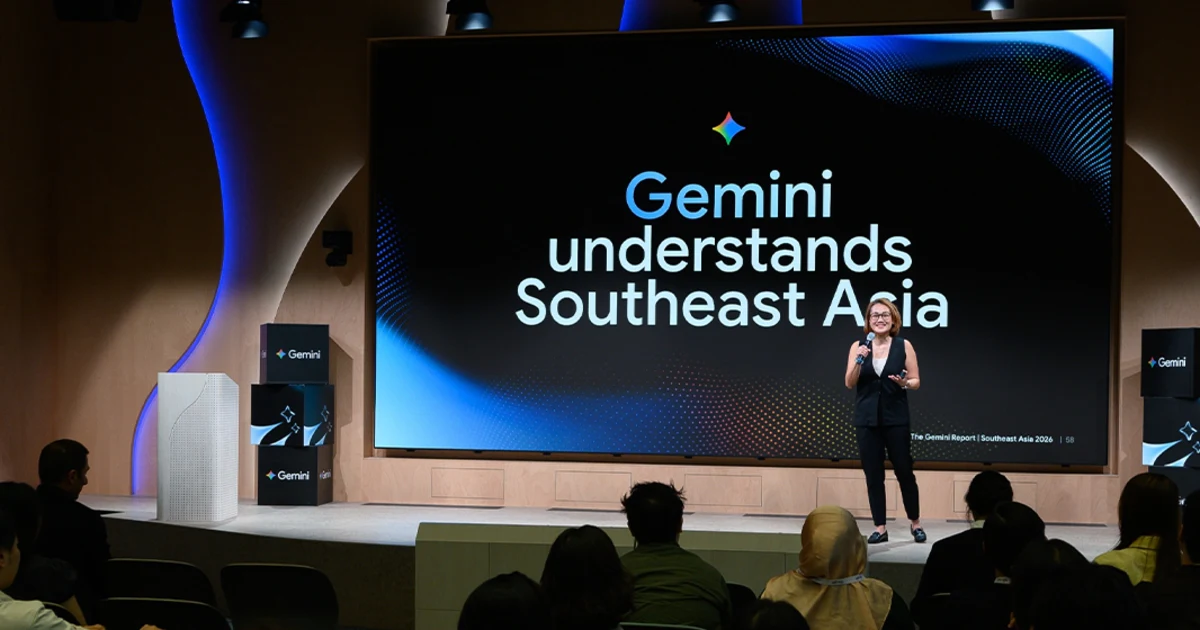
The adoption of Artificial Intelligence (AI) in Southeast Asia is transforming various industries, including crypto and iGaming. According to recent reports, AI is becoming an integral part of everyday life in the region, with millions of people using it for a range of purposes, from education to content creation. The primary keyword, AI in Southeast Asia, is a key driver of this transformation. As noted by the World Economic Forum, AI has the potential to increase the region’s GDP by 12% by 2030. This growth is expected to be driven by the increasing use of AI in industries such as finance, healthcare, and education.
AI Adoption Trends in Southeast Asia
The diversity of Southeast Asia means that AI adoption doesn’t follow a single pattern. In Vietnam, students are using AI to prepare for exams, while in Indonesia, entrepreneurs are creating marketing materials and visuals for their businesses. In Thailand, fitness influencers are planning healthy meal ideas, and in Singapore, developers are building AI prototypes. As of 2022, the number of AI startups in Southeast Asia has increased by 30% compared to the previous year, with many of these startups focusing on crypto and iGaming applications. According to a report by CB Insights, the top AI trends in Southeast Asia include natural language processing, computer vision, and predictive analytics. These trends are expected to continue in the coming years, with AI adoption becoming more widespread across the region.
Impact on Crypto and iGaming
The rise of AI in Southeast Asia is expected to have a significant impact on the crypto and iGaming industries. With AI-powered tools, crypto traders can make more informed decisions, and iGaming operators can offer more personalized experiences to their customers. However, the integration of AI also raises concerns about regulatory frameworks and trust. For instance, the use of AI in crypto trading can increase the risk of market manipulation, while the use of AI in iGaming can raise concerns about player protection and responsible gaming. As noted by the International Monetary Fund (IMF), the use of AI in crypto trading can also increase the risk of financial instability. To mitigate these risks, regulatory frameworks and trust are crucial for the successful integration of AI in these industries.
Explore hidden crypto community
External resource highlighted for Gambling Paradise readers.
Regulatory Frameworks and Trust
Regulatory frameworks and trust are crucial for the successful integration of AI in the crypto and iGaming industries. As AI becomes more prevalent, regulators will need to establish clear guidelines to ensure that AI-powered tools are used responsibly and securely. In Singapore, the Monetary Authority of Singapore (MAS) has established a set of guidelines for the use of AI in financial services, including crypto trading. Similarly, in Indonesia, the government has established a task force to oversee the development and implementation of AI in various industries, including iGaming. According to a report by the Asian Development Bank, the development of regulatory frameworks for AI is critical to ensuring that the benefits of AI are realized while minimizing its risks. For more information on the latest AI-powered tools and technologies, visit the App ranking board.
Operational Consequences
The operational consequences of AI adoption in Southeast Asia will be significant. As AI-powered tools become more prevalent, businesses will need to adapt their operations to ensure that they are using AI effectively. This may involve investing in new technologies, training staff, and establishing new processes. For example, crypto exchanges may need to invest in AI-powered tools to detect and prevent market manipulation, while iGaming operators may need to invest in AI-powered tools to detect and prevent problem gaming. According to a report by McKinsey, the adoption of AI can increase productivity by up to 40% in certain industries. This increase in productivity can lead to cost savings and improved efficiency, allowing businesses to stay competitive in the market.
User Risk
The user risk associated with AI adoption in Southeast Asia is also a concern. As AI-powered tools become more prevalent, users will need to be aware of the potential risks, including the risk of data breaches and the potential for AI-powered tools to be used for malicious purposes. In 2020, a survey by Kaspersky found that 71% of consumers in Southeast Asia were concerned about the security of their personal data when using AI-powered tools. According to a report by the S. Rajaratnam School of International Studies, the use of AI-powered tools can also increase the risk of cyber attacks. To mitigate these risks, users will need to be educated on how to use AI-powered tools safely and securely.
Market Impact
The market impact of AI adoption in Southeast Asia will be significant. As AI-powered tools become more prevalent, the demand for AI-related services and products is expected to increase. This will create new opportunities for businesses and investors, but it will also increase competition. According to a report by ResearchAndMarkets.com, the AI market in Southeast Asia is expected to reach $13.7 billion by 2025, growing at a CAGR of 24.3% from 2020 to 2025. The adoption of AI is also expected to create new job opportunities in fields such as data science and machine learning. For more information on the crypto market, visit the source URL: https://coingeek.com/from-classrooms-to-cafes-how-ai-embeds-itself-in-southeast-asia/. The World Economic Forum also provides valuable insights on the adoption of AI in Southeast Asia.
Conclusion
In conclusion, the adoption of AI in Southeast Asia is transforming various industries, including crypto and iGaming. While there are many benefits to AI adoption, there are also concerns about regulatory frameworks, trust, and user risk. As the use of AI continues to grow, it is essential that businesses, regulators, and users are aware of the potential risks and benefits. To stay ahead of the curve, it is crucial to stay informed about the latest developments in AI adoption in Southeast Asia.
Related coverage
- Trump Administration’s Crypto Policy Leaves Developers in Limbo
- Crypto Market Trends: Institutional Adoption and Regulatory Momentum
- Crypto Market Turmoil: Bitcoin Plummets as Strategy, BitMine, and Robinhood Shares Hit Monthly Lows